Plan your visit to the top Sicily archaeological sites, from Greek temples to Roman villas, with practical insight on timing, access, and pace.

Some places ask for a quick photo and a short stop. Sicily does not. The top Sicily archaeological sites reward travelers who want context, space, and the feeling of standing where Greek colonists, Roman elites, and ancient city builders once shaped the island’s identity.
What makes Sicily so compelling is not simply the number of ruins. It is the range. In a single journey, you can move from hilltop theaters with sea views to temple valleys spread across golden stone, then on to Roman mosaics preserved with astonishing clarity. For travelers who want more than a checklist, the question is not only which sites are the most famous. It is which ones fit the rhythm, interests, and energy of your trip.

Top Sicily archaeological sites worth prioritizing
If your time is limited, a few sites consistently stand above the rest for historical significance, visual impact, and overall visitor experience. They are very different from one another, which is exactly why Sicily feels so rich.
Valley of the Temples, Agrigento
Agrigento is often the site travelers remember most vividly. The Valley of the Temples is not a compact archaeological park where everything reveals itself in twenty minutes. It is broad, open, and dramatic, with monumental Doric temples set across a long ridge. The Temple of Concordia, in particular, has an extraordinary presence, especially in late afternoon when the stone warms in color and the scale becomes easier to appreciate.
This is one of the best choices for first-time visitors because it is immediately legible. Even without specialist knowledge, you understand what you are seeing. At the same time, there is enough nuance here to reward a more thoughtful visit. The site reflects Greek ambition, religious life, later reuse, and the complicated layers that often define Sicilian history.
Agrigento works especially well for travelers who enjoy walking at an unhurried pace. It is less ideal in peak midday heat, and that matters. A well-timed arrival can completely change the experience.
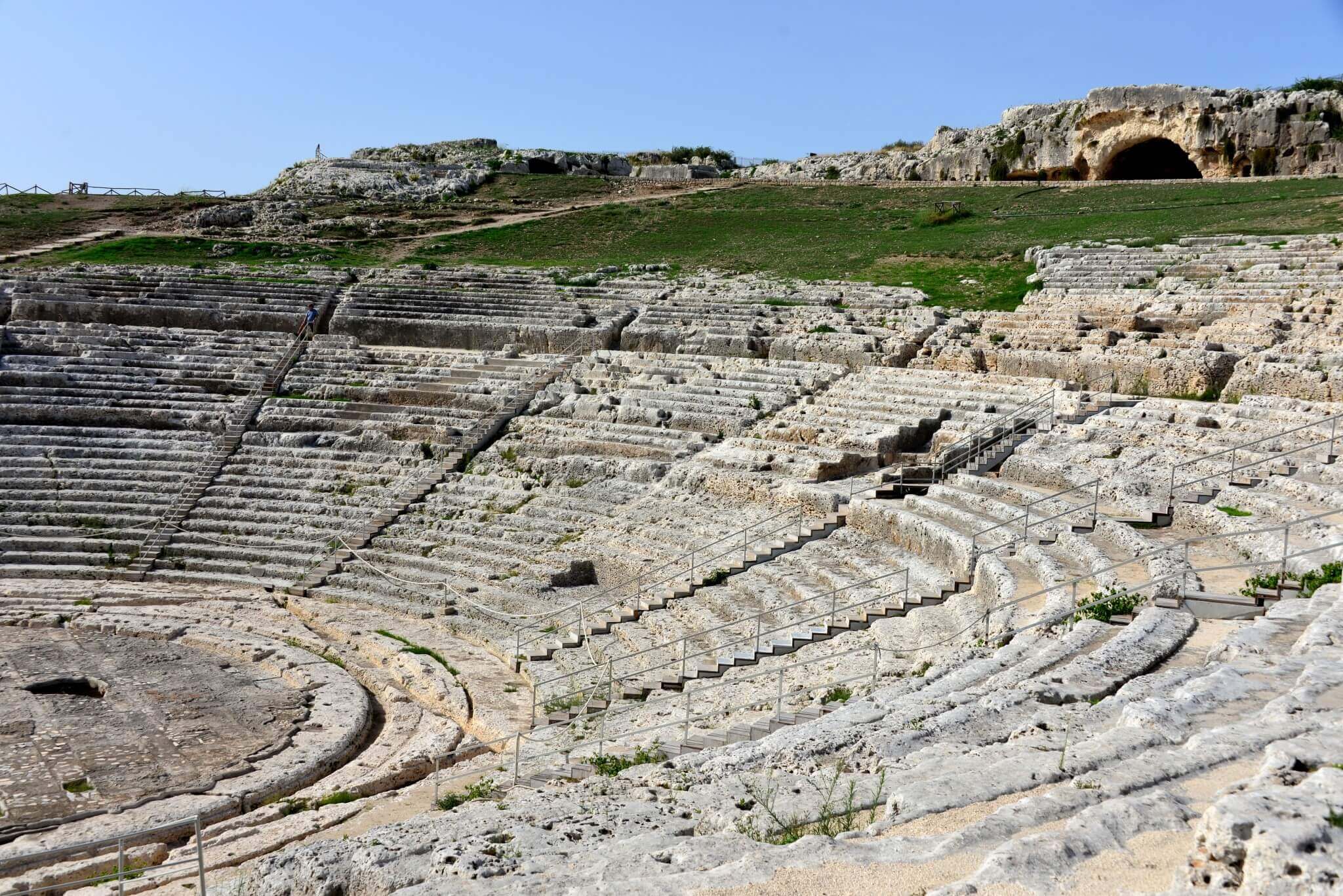
Greek Theater and Archaeological Park, Syracuse
Syracuse offers a different kind of archaeological experience. Rather than one overwhelming monument, it presents a fuller ancient landscape. In the Neapolis Archaeological Park, the Greek Theater is the headline, carved into the hillside on a scale that still feels grand. Nearby, the Roman amphitheater and the limestone quarries add depth and contrast.
This site suits travelers who want archaeology connected to an elegant day in the city. Syracuse allows you to combine ancient history with a refined urban atmosphere, good dining, and a sense of continuity between past and present. That combination is not trivial. Some ruins are best seen in isolation. Syracuse is powerful because the ancient world still feels woven into the life of the place.
If you are choosing between Syracuse and Agrigento, it depends on what you value more. Agrigento delivers visual monumentality. Syracuse offers a broader historical conversation and pairs beautifully with a fuller cultural day.

Villa Romana del Casale, Piazza Armerina
Not every great archaeological site in Sicily rises in columns against the sky. Villa Romana del Casale is one of the island’s most remarkable sites precisely because it reveals private life rather than public grandeur. Its mosaics are among the finest surviving Roman floor mosaics anywhere, and they are astonishing in both scale and detail.
Scenes of mythology, hunting, domestic life, and the famous bikini-clad athletes create an intimate connection to the Roman world. You are not imagining an ancient city from fragments. You are seeing decorative programs that still communicate personality, taste, and status.
This is an excellent choice for travelers who appreciate artistry as much as architecture. It is also a strong option for families and mixed-interest groups because the mosaics are visually immediate. You do not need to be an archaeologist to be impressed.

Selinunte Archaeological Park
Selinunte feels expansive, windswept, and slightly more untamed than Sicily’s better-known sites. That is part of its appeal. The remains of temples and the scale of the archaeological area create a stronger sense of an ancient city in its landscape rather than a neatly contained monument.
For some travelers, Selinunte becomes a favorite because it feels less ceremonial and more elemental. There is room to imagine the original settlement, its strategic position, and the reasons Greek colonists built so ambitiously here. It asks for more time and a little more stamina, but the reward is a powerful sense of place.
This is a smart choice for travelers who have already seen major classical sites elsewhere in Italy and want something more atmospheric, with fewer polished edges.
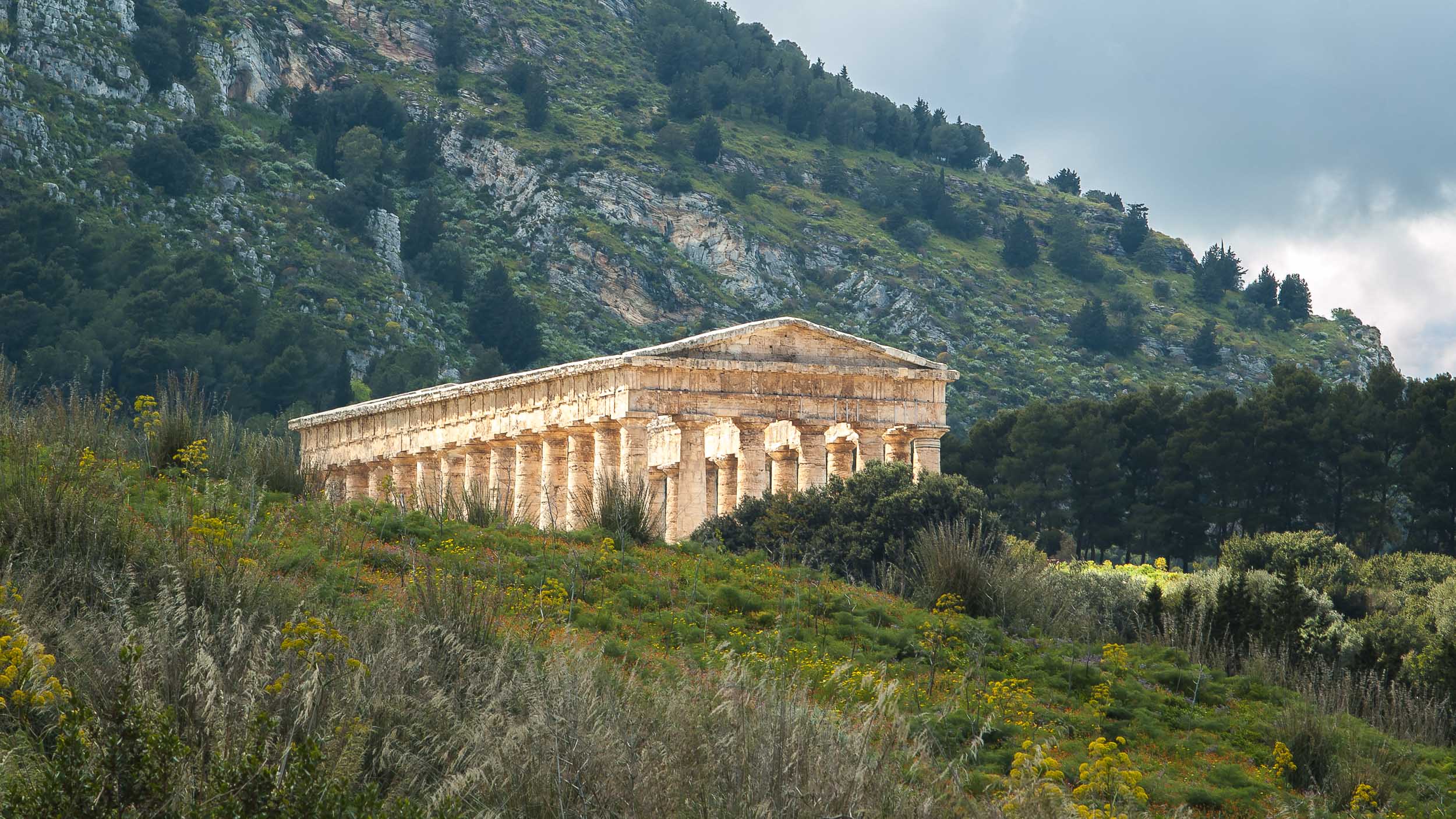
Segesta
Segesta is one of Sicily’s most elegant archaeological experiences. Its great temple stands in a lonely, beautiful setting that immediately gives the visit emotional force. Higher up the hill, the theater commands broad views over the countryside and captures the drama that ancient builders understood so well.
Unlike larger parks, Segesta can feel focused and composed. It is not about volume. It is about harmony between monument and landscape. For couples and travelers who prefer beauty, atmosphere, and a less demanding visit, Segesta often feels especially satisfying.
It also works well as part of a western Sicily itinerary because it connects naturally with other cultural stops without requiring a full day on its own.

How to choose among the top Sicily archaeological sites
The best itinerary is rarely built by ranking monuments from one to five. It should reflect your travel style.
If you want Sicily’s most iconic temple setting, choose Agrigento. If you prefer a day where archaeology blends with city life and waterfront charm, Syracuse is often the stronger fit. If mosaics and Roman domestic luxury interest you more than temples, Piazza Armerina deserves priority. If you are drawn to wild settings and a broader archaeological landscape, Selinunte is deeply rewarding. If your preference is elegance, manageable pacing, and striking scenery, Segesta is hard to beat.
There is also a practical question of energy. Some sites are broad and exposed, with substantial walking. Others are easier to absorb in a shorter visit. For sophisticated travelers, comfort is not a minor detail. It shapes how much you actually enjoy what you came to see.

What to know before visiting Sicily’s archaeological sites
Sicily’s ancient sites are most enjoyable when approached with a little strategy. Light, temperature, and pacing matter more than many visitors expect. Morning and late afternoon usually offer a better experience than the middle of the day, particularly from late spring through early fall.
Footwear matters as well. Even beautifully preserved sites can involve uneven ground, stone paths, and long open stretches. A polished itinerary should leave room for pauses, scenic approaches, and time to absorb a place rather than rushing through it.
It is also worth thinking about combinations. Archaeology in Sicily becomes richer when paired with food, landscapes, and local traditions. A day that begins with Greek ruins and continues into the countryside can feel far more memorable than one made only of site entries. That is often the difference between seeing Sicily and experiencing it.

A more comfortable way to experience the top Sicily archaeological sites
For many visitors, the challenge is not deciding whether these places are worth seeing. It is understanding how to connect them well across the island without turning the trip into a logistical exercise. Distances, timing, and site fatigue can quietly reduce the pleasure of the journey.
That is why private touring works so well in Sicily, particularly for travelers who want cultural depth without friction. With a thoughtfully planned route, professional English-speaking guidance, and luxury vehicles designed for comfort, the island’s archaeological heritage becomes easier to enjoy at the right pace. Handy Sicily often helps guests combine headline sites with less obvious stops, creating days that feel curated rather than crowded.
The real value lies in balance. One traveler may want a temple-focused itinerary across the south and west. Another may prefer to pair Syracuse with smaller cultural moments, local food experiences, and time to appreciate the atmosphere between destinations. Neither approach is better. Sicily responds best when the schedule respects your interests, stamina, and curiosity.
Ancient Sicily is not only about what survived in stone. It is about how those places still shape the island’s character today. When you visit with enough time, comfort, and context, the ruins stop feeling remote. They begin to feel part of a living landscape, and that is when Sicily becomes unforgettable.