
Planning a Val di Noto trip? Discover the best Sicily baroque towns for churches, palaces, food, and elegant private travel across the southeast.
Late afternoon is when the stone begins to perform. In southeastern Sicily, honey-colored facades catch the sun, balconies cast theatrical shadows, and entire town centers seem designed for a slow, elegant arrival. If you are deciding which are the best Sicily baroque towns to include in your journey, the answer depends less on checking off UNESCO names and more on the kind of experience you want – grand piazzas, intimate lanes, aristocratic palaces, or a long lunch after a morning of walking.
The baroque towns of the Val di Noto are often grouped together, but they do not feel interchangeable. Each has its own rhythm, scale, and mood. For travelers who value comfort, beauty, and a well-planned route through the heart of Sicily, knowing those differences makes all the difference.
What makes the best Sicily baroque towns worth your time
Much of southeastern Sicily was rebuilt after the devastating 1693 earthquake. What emerged was not a copy of what had been lost, but a new urban vision – dramatic churches, curved facades, broad staircases, noble residences, and city plans that turned everyday streets into stage sets. This is why the area feels so cohesive and so varied at once.
For many visitors, the appeal is not only architectural. These towns combine art, local life, excellent cuisine, and manageable distances between one stop and the next. With a thoughtfully arranged private itinerary, it is possible to experience several in a single multi-day journey without feeling rushed.
8 best Sicily baroque towns for a refined itinerary
Noto
If one town embodies Sicilian baroque in its purest form, it is Noto. Corso Vittorio Emanuele is the kind of street that invites unhurried walking, with palaces and churches unfolding one after another in perfect proportion. The Cathedral, Palazzo Ducezio, and the elegant balconies along the main avenue create a sense of harmony that feels almost cinematic.
Noto is ideal for travelers who want a polished first encounter with the region. It is visually impressive, easy to appreciate without long transfers within town, and especially rewarding in the early evening, when the limestone turns gold. It can feel more composed and less raw than other destinations nearby, which for some is exactly the appeal.
Ragusa Ibla
Ragusa is really two cities, but it is Ibla that lingers in memory. Built across a hillside, it reveals itself in layers – stairways, domes, gardens, and noble buildings rising above a maze of lanes. Piazza Duomo, with the Cathedral of San Giorgio, is one of the great urban scenes in Sicily.
This is a strong choice for travelers who enjoy atmosphere as much as monuments. Ragusa Ibla has depth, and it rewards time. A short stop can capture the highlights, but a fuller visit allows space for quiet corners, artisan details, and the pleasure of arriving somewhere that still feels deeply lived in.
Modica
Modica brings a more dramatic, vertical personality to the baroque story. Split between upper and lower levels, it is a town of steep perspectives, church facades, and unexpected views. The Church of San Giorgio is the star, reached by a staircase that gives it both grandeur and drama.
Yet Modica is not only about architecture. It is also one of the most satisfying places for travelers who want culture with flavor, thanks to its long tradition of chocolate making. If Noto is refined and Ragusa is atmospheric, Modica feels vivid and textured. It asks a little more of the visitor in terms of movement and pacing, but it gives a lot back.
Scicli
Scicli is often the town that surprises people most. It has the baroque beauty, certainly, but also an ease and intimacy that make it especially appealing. The streets are graceful rather than monumental, and the setting among rocky hills gives the historic center a soft, sheltered character.
For travelers who prefer charm over spectacle, Scicli can be the most rewarding stop of all. It is a town to enjoy slowly, with time for a coffee in a sunlit piazza and a walk past palaces that feel part of daily life rather than preserved behind glass. It also pairs beautifully with Modica and Ragusa in a single day if the route is planned carefully.
Caltagirone
Caltagirone stands apart because its baroque identity is inseparable from ceramics. The famous staircase of Santa Maria del Monte, lined with hand-decorated tiles, is one of Sicily’s most recognizable images, but the town offers more than a single landmark. Churches, civic buildings, and workshops create a strong artistic identity.
This is a worthwhile choice for visitors interested in craftsmanship and decorative arts. It feels less polished for tourism than some of the better-known Val di Noto towns, which can be a strength. The experience is more local, more tactile, and especially satisfying when paired with an interest in Sicilian design traditions.
Palazzolo Acreide
Palazzolo Acreide is smaller, quieter, and often overlooked in standard itineraries. That is precisely why some travelers love it. Its baroque center is handsome and authentic, with beautifully carved facades and a pace that feels distinctly unhurried.
It is best suited to those who want a less crowded experience and do not need every stop to feel famous. There is also an appealing overlap here between baroque heritage and older Sicilian history, which gives the town more depth than first impressions suggest. For a custom journey, this can be an excellent addition when the goal is to balance iconic sites with places that still feel like local discoveries.
Militello in Val di Catania
Militello in Val di Catania rarely receives the same attention as Noto or Ragusa, yet it holds a remarkable concentration of churches and noble architecture. The atmosphere is more understated, and that makes it attractive to travelers who appreciate heritage without the performance of a heavily visited destination.
This is not the first town most people choose, and that is fair. If your time is limited, the larger names usually come first. But for travelers returning to Sicily or seeking a more exclusive cultural route, Militello offers a quieter form of grandeur.
Catania
Catania deserves inclusion because its baroque character is urban, bold, and unmistakably Sicilian. Rebuilt in lava stone and limestone after the same 1693 earthquake, it feels darker, more energetic, and more theatrical than the honey-toned towns farther south. Piazza del Duomo, Via Crociferi, and the great ecclesiastical complexes give it scale and confidence.
Catania is not a small-town experience, and it should not be approached as one. It is best for travelers who enjoy the contrast between monumental architecture and vibrant city life. When woven into a broader southeastern itinerary, it adds energy and a different register to the baroque experience.
How to choose the right baroque towns for your trip
If this is your first visit, Noto, Ragusa Ibla, and Modica are often the strongest combination. Together they show the range of Sicilian baroque – elegant, dramatic, and deeply atmospheric. If you want something more intimate, Scicli can replace one of the larger names without feeling like a compromise.
If your interests include decorative arts, add Caltagirone. If you value quieter places with authenticity and less foot traffic, Palazzolo Acreide or Militello can be especially rewarding. And if you want the architectural story in a larger urban setting, Catania belongs in the conversation.
What matters most is pace. These towns are not best experienced as a race from church to church. They reward a more relaxed rhythm, with time for a panoramic stop, a proper meal, and the flexibility to linger when a place feels right.
Best Sicily baroque towns by travel style
For couples, Noto and Ragusa Ibla tend to be the most romantic, especially in the late afternoon and evening light. For families or small private groups, Modica and Caltagirone add variety through food traditions and artisan culture. For travelers who have already seen Sicily’s headline destinations, Scicli, Palazzolo Acreide, and Militello offer a more personal connection to the region.
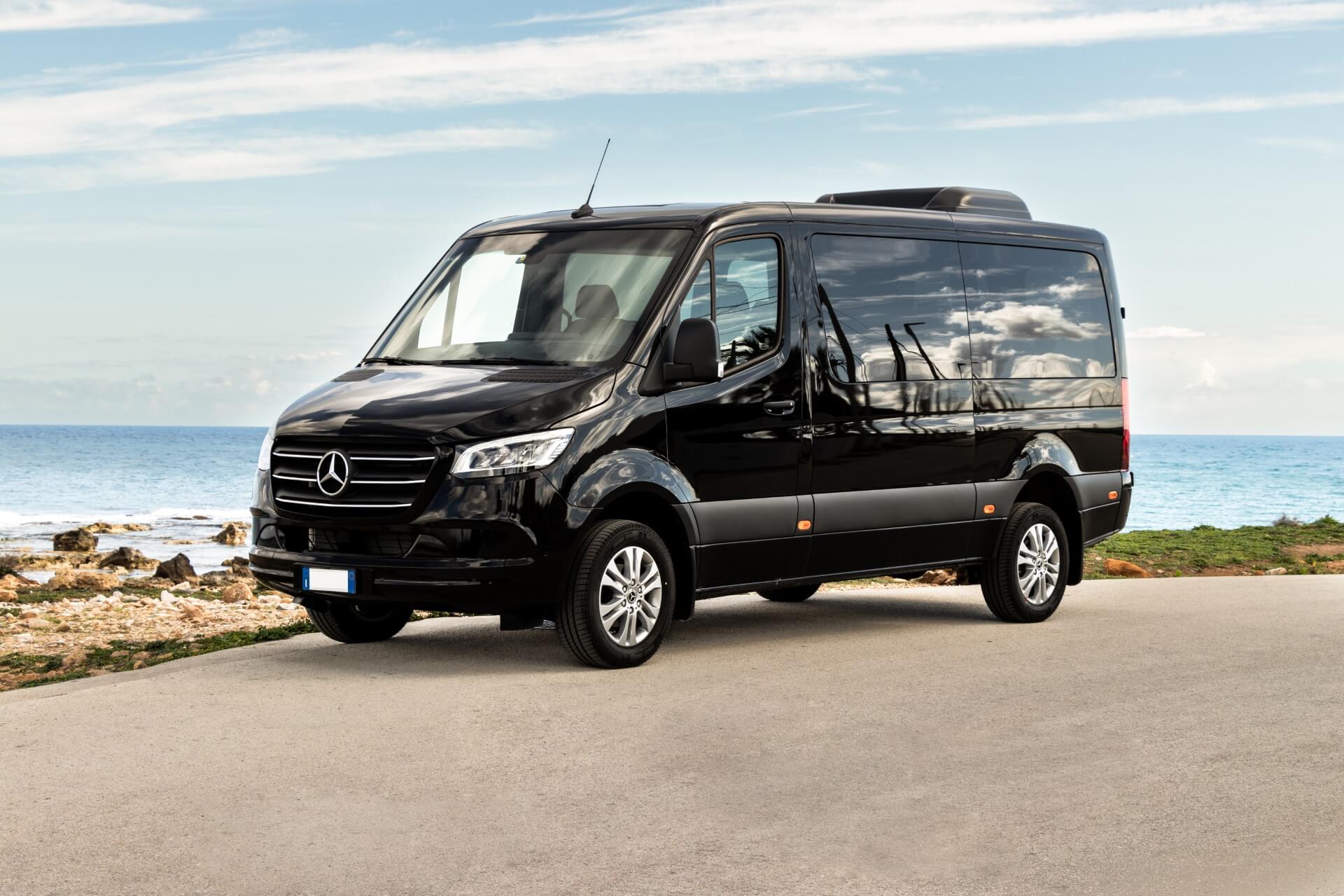
This is where service and planning matter. Distances in southeastern Sicily are manageable, but a graceful day depends on timing, local knowledge, and the comfort of moving easily between hill towns, viewpoints, and historic centers. For many guests, a private chauffeured itinerary transforms these places from a map exercise into a genuinely relaxing cultural journey.
Handy Sicily often designs routes through the Val di Noto that balance the iconic names with quieter corners, allowing travelers to experience these towns with elegance rather than effort.
A more rewarding way to see the Val di Noto
The best Sicily baroque towns are not simply the most famous ones. They are the towns that match your pace, your interests, and your idea of what makes travel memorable. For some, that will be Noto’s luminous symmetry. For others, it will be the layered beauty of Ragusa Ibla, the flavor and drama of Modica, or the understated charm of Scicli.
The real pleasure lies in letting these places unfold without hurry. When the route is well considered and the day has room to breathe, southeastern Sicily offers one of Italy’s most sophisticated cultural journeys – rich in architecture, grounded in local life, and best enjoyed with the ease that allows you to notice every detail.