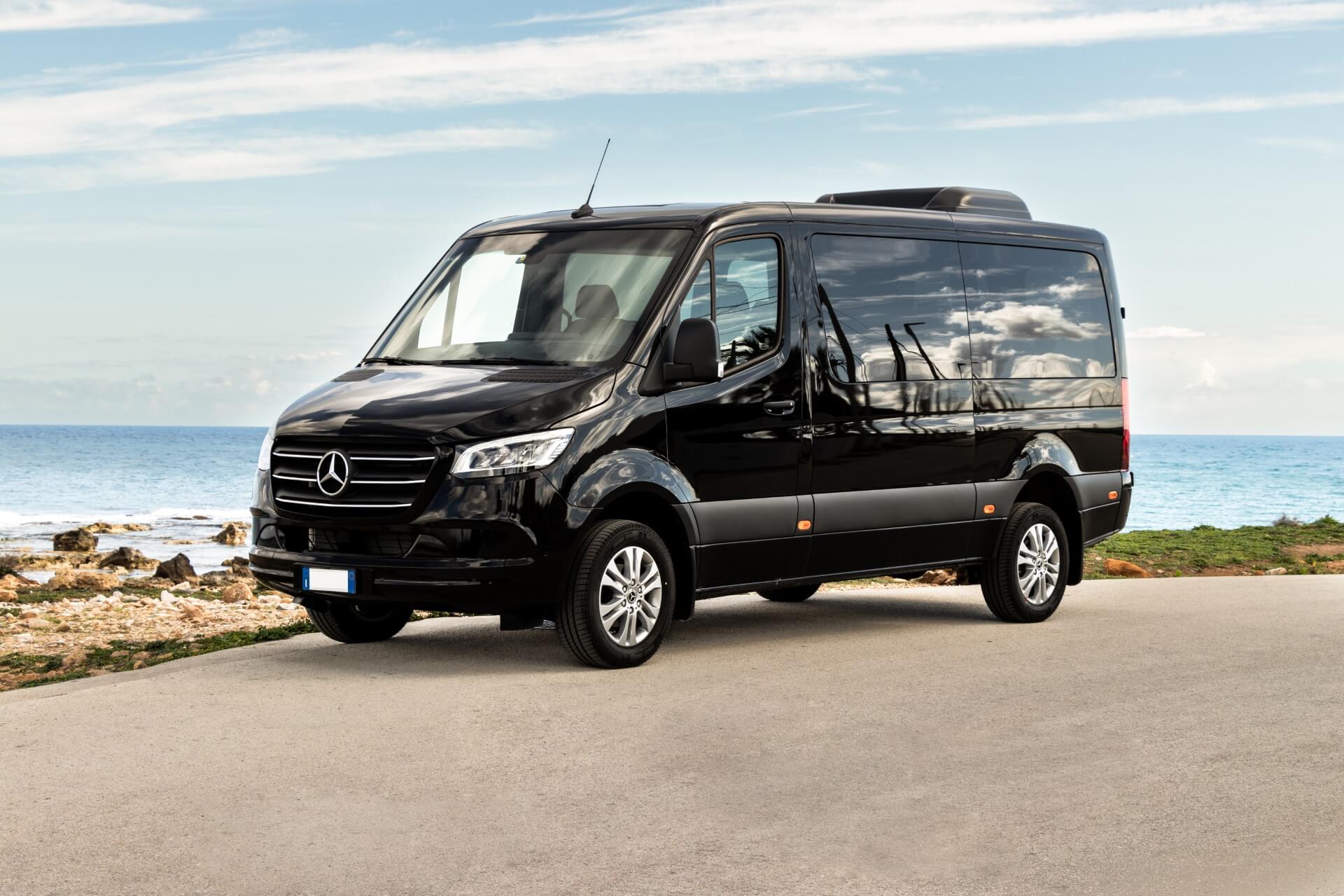

Plan a Sicily baroque town circuit with private chauffeurs, UNESCO cities, fine food, and time to enjoy southeastern Sicily at an unhurried pace and care.
A Sicily baroque town circuit is not simply a checklist of UNESCO landmarks. It is a journey through southeastern Sicily’s great reinvention: honey-colored palaces, theatrical balconies, stone stairways, family kitchens, and town squares where everyday life still unfolds beneath extraordinary façades. For travelers who value comfort and context, seeing these cities with a private chauffeur allows the experience to follow the rhythm it deserves.
The Baroque towns of the Val di Noto are close enough to connect beautifully, yet distinct enough that each deserves time. A well-planned private itinerary replaces rushed arrivals and complicated logistics with a graceful progression through architecture, food, landscapes, and local stories.
Why the Sicily Baroque Town Circuit Is So Special
In 1693, a devastating earthquake transformed much of southeastern Sicily. The rebuilding that followed created one of Europe’s most cohesive and expressive Baroque landscapes. Rather than reconstructing town by town in isolation, local aristocrats, architects, stonemasons, and religious orders shaped entire urban settings around dramatic churches, broad piazzas, curved balconies, and grand processional streets.
The result is not a museum district. In Ragusa, Modica, Noto, Scicli, and nearby towns, the architecture remains part of daily life. Laundry may hang above a carved doorway. Neighbors gather for coffee in a square framed by a cathedral. A late-afternoon passeggiata can turn a remarkable building into the natural backdrop of a Sicilian evening.
The circuit rewards travelers who do not try to fit everything into one hurried day. Two or three days offer a more satisfying balance, particularly for guests who want to enjoy a relaxed lunch, linger in a church or artisan workshop, and appreciate the changing light on the limestone façades.
The Essential Baroque Towns
Noto: The Grand Entrance
Noto is often the most immediately striking stop on the circuit. Its principal avenue feels almost choreographed, with one elegant building leading naturally to the next. The Cathedral of San Nicolò rises above a broad flight of steps, while palaces and churches along Corso Vittorio Emanuele reveal the warm golden tone that has made Noto famous.
This is an excellent town for a gentle walking visit, especially later in the day when the stone takes on a deeper amber color. Noto also suits travelers drawn to refined Sicilian flavors. Almond pastries, granita, and seasonal local produce provide a welcome counterpoint to the grandeur of the architecture.
Because Noto is compact, it can be combined effectively with another destination. Yet it should not be treated as a quick photo stop. Allowing time for a guided walk and a leisurely pause in the historic center changes the experience entirely.
Modica: Baroque Beauty on a Dramatic Hillside
Modica spreads through two valleys, with houses, churches, and noble residences climbing the slopes above. Its setting is more layered than Noto’s, and the town reveals itself gradually from different viewpoints. The Church of San Giorgio, reached by a monumental staircase, is one of the defining masterpieces of Sicilian Baroque.
Modica is also inseparable from chocolate. Its distinctive cold-worked style has roots in ancient techniques and produces a grainy, aromatic texture unlike conventional chocolate. A private visit can include time to sample classic flavors such as cinnamon or vanilla, alongside more contemporary combinations.
The trade-off is that Modica’s hills and staircases can be demanding for some visitors. A chauffeur-driven itinerary makes this easier by arranging convenient arrival points and minimizing unnecessary uphill walking, while preserving the pleasure of exploring the most atmospheric streets on foot.
Ragusa Ibla: The Most Romantic Setting
Ragusa is divided between the upper town and Ragusa Ibla, the historic lower district that seems to cascade across a ridge. Ibla’s narrow lanes, balconies, churches, and gardens create one of the circuit’s most cinematic settings. The Cathedral of San Giorgio anchors the neighborhood with its soaring curved façade and commanding staircase.
This is a town best experienced without haste. A local guide can explain why Ragusa was rebuilt in two distinct parts and point out details that are easy to miss: grotesque masks beneath balconies, family crests, hidden courtyards, and the relationship between the town’s streets and surrounding valleys.
Ragusa Ibla is particularly rewarding around sunset. The evening light softens the stone and brings a quieter, more intimate mood to its piazzas. For couples and families alike, it is often the place that remains most vividly in memory.
Scicli: A More Intimate Baroque Experience
Scicli offers a different kind of elegance. Less formal than Noto and less vertically dramatic than Modica, it is distinguished by graceful palaces, cave dwellings, and a historic center set beneath limestone cliffs. The Church of San Matteo, high above the town, gives a sense of the landscape that shaped Scicli’s development.
Travelers who prefer places with a lived-in, local character often find Scicli especially appealing. Its streets invite unplanned moments: a small bakery, a quiet courtyard, a conversation with an artisan, or a simple espresso in a sunlit square. It is a strong choice for those who want the circuit to feel personal rather than overly scripted.
How to Plan the Circuit at the Right Pace
A private itinerary is most enjoyable when built around geography and personal interests, not just famous names. From the southeast, Noto can pair naturally with the coastal atmosphere of the area, while Ragusa, Modica, and Scicli create a compelling inland sequence. The exact order depends on where the day begins, the desired amount of walking, and whether food, wine, architecture, or photography is the priority.
For a first introduction, two full days can work well. One day may focus on Noto and the surrounding southeast, with enough time to appreciate the town’s architectural core. A second day can link Ragusa Ibla, Modica, and Scicli, though this is a fuller day and benefits from an early start. Three days allow a more relaxed rhythm, with meaningful time in each town and flexibility for tastings, countryside stops, or a longer private lunch.
The season also matters. Spring and fall are ideal for walking and outdoor dining. Summer brings long, luminous days but calls for thoughtful timing, often with morning sightseeing, a slower midday interval, and a return to the historic centers in the cooler evening hours. Winter can be wonderfully peaceful, especially for travelers seeking culture without crowds, although some smaller venues may keep more limited hours.
The Difference a Private Chauffeur Makes
The Baroque towns are rewarding precisely because their historic centers are intricate. Narrow streets, uneven paving, hills, and limited access points are part of their character, but they can make independent route planning feel like work. A professional English-speaking driver brings calm to the day, managing the road routes and practical details while you focus on the places themselves.
With luxury vehicles and a tailored schedule, there is room to adjust. Perhaps Noto’s cathedral deserves another half hour. Perhaps a chocolate tasting in Modica becomes the highlight of the afternoon. Perhaps a family member prefers a shorter walk while others continue with a guide. Private travel makes these choices possible without disrupting the entire day.
It also supports a more authentic experience. Rather than following a fixed group timetable, you can pause where the atmosphere feels right, choose experiences that match your interests, and hear local insight in a more personal setting. For travelers who appreciate discretion, safety, and attentive service, this is often the most comfortable way to experience southeastern Sicily.
Add Food, Wine, and Local Craft to the Architecture
The circuit becomes richer when Baroque architecture is paired with the tastes and traditions of the region. Modica chocolate is the obvious starting point, but the area offers much more: almond-based sweets in Noto, ricotta-filled pastries, seasonal vegetables, olive oil, and wines shaped by Sicily’s warm southern climate.
A carefully paced day can include a private tasting or a lunch that reflects the character of the town rather than interrupting it. In Ragusa’s countryside, for example, local ingredients and long culinary traditions can offer a welcome contrast to the formal splendor of the historic centers. The most memorable itineraries leave room for these sensory details.
Handy Sicily can tailor a private Baroque circuit around the pace, access needs, and interests of your party, combining chauffeur service with selected guides and authentic local experiences. The goal is never to see the most places in the least time. It is to experience the heart of Sicily with the comfort, insight, and freedom to enjoy it fully.
When the façades begin to glow in the late light and the piazzas fill with local voices, give the day a few extra unplanned minutes. In southeastern Sicily, those are often the moments that turn a beautiful itinerary into a lasting memory.