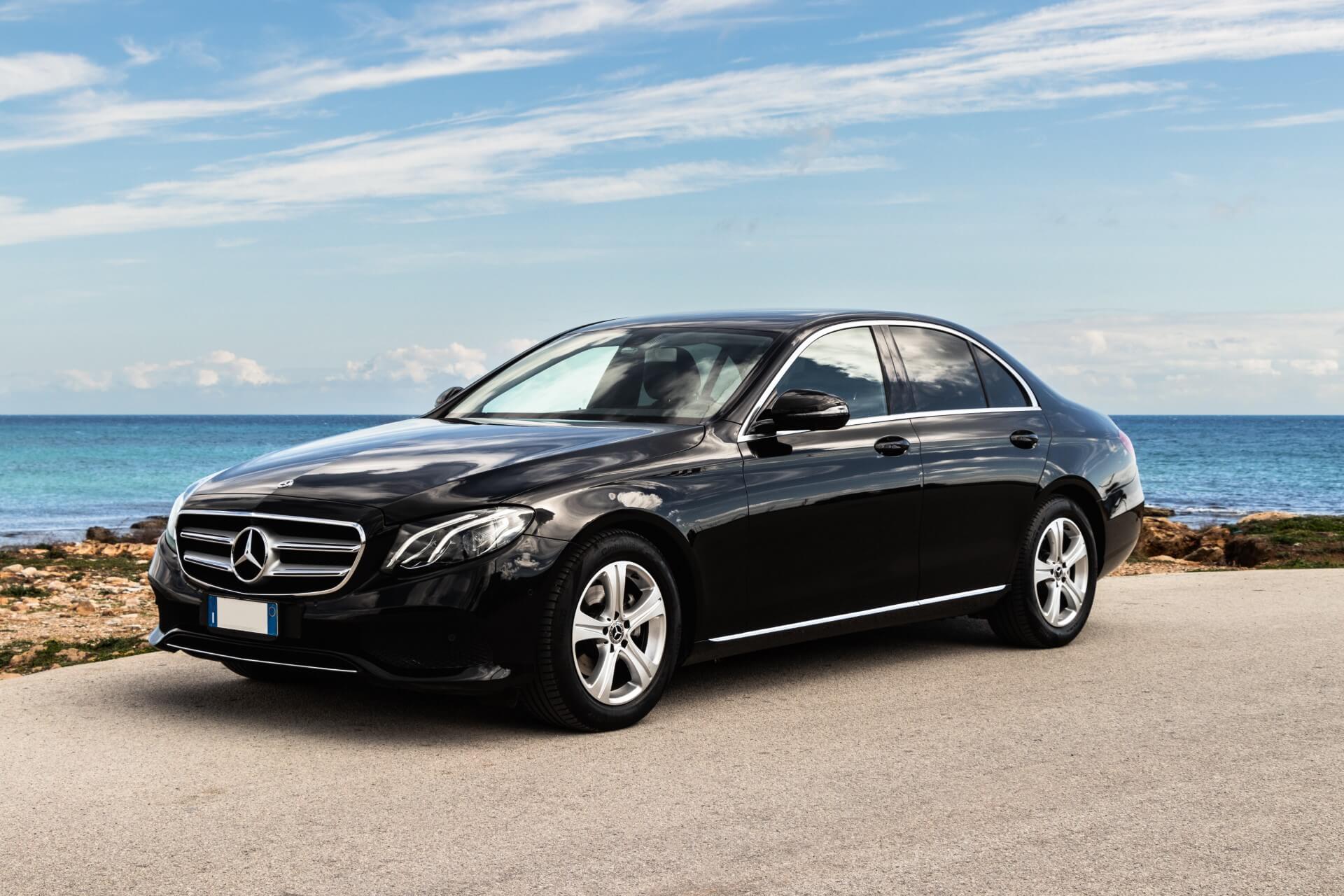

A seven day Sicily route example for travelers who want culture, comfort, and authentic experiences with private transportation across the island.
Seven days in Sicily sounds generous until you start placing the island’s highlights on a map. Palermo, the western temples, Mount Etna, Syracuse, baroque towns, seaside views, vineyard country – each deserves time, not a rushed photo stop. That is why a thoughtful seven day Sicily route example matters so much. The right plan does not simply fit places into a week. It balances distances, energy, and the kind of experiences that make Sicily feel personal rather than hurried.
For travelers who value comfort, privacy, and a more refined pace, the smartest route is usually not the one with the most stops. It is the one that lets each day unfold well, with enough structure to move smoothly and enough flexibility to follow a local recommendation, linger over lunch, or spend more time where the atmosphere feels right.
A seven day Sicily route example built around flow
This itinerary works especially well for couples, families, and small private groups arriving in eastern Sicily and wanting a broad but elegant introduction to the island. It favors meaningful contrasts – Greek archaeology and baroque streets, volcanic landscapes and coastal beauty, lively markets and quieter hill towns.
The route moves in a natural arc: Catania, Taormina and Mount Etna, Syracuse and Ortigia, the Val di Noto, Piazza Armerina, Agrigento, then Palermo. It is ambitious but realistic when managed with private transportation and a carefully timed schedule. If your flight arrangements point toward western Sicily instead, the same route can be reversed with equally good results.
Day 1: Arrival in Catania and first impressions of the east
Begin in Catania, where Sicily often introduces itself with energy rather than ceremony. The city has a dark volcanic elegance, with lava-stone facades, broad piazzas, and a street life that feels lived-in and expressive. On the first day, it is wise to keep ambitions measured. A guided walk through the historic center, the fish market area, and Piazza del Duomo is often enough to establish a sense of place without overloading an arrival day.
This is also the moment when premium ground service changes the mood of the trip. Instead of negotiating transfers and timing, you begin in comfort, with a professional English-speaking driver setting an easy rhythm from the start.
Day 2: Taormina and Mount Etna
Few pairings in Sicily work as well as Taormina and Mount Etna. One is polished, scenic, and theatrical. The other is elemental, vast, and impossible to forget. Done together, they create a full day that feels varied rather than repetitive.
Start with Mount Etna, ideally in the morning when visibility is often better and the landscape feels especially clear. Even travelers who have seen volcanic terrain elsewhere are often surprised by Etna’s scale and texture. The experience can be adapted to interests and mobility, from panoramic viewpoints to more immersive visits with specialist guides.
Later, continue to Taormina for lunch, a relaxed walk, and time at the Greek Theatre. This is one of those places where the setting explains the reputation. The sea, the terraces, the distant volcanic silhouette – it all comes together naturally. If you prefer slower travel, this can easily become a dedicated full day, but within a seven-day format, the combination works very well.
Why this seven day Sicily route example works
Sicily rewards sequencing. The east offers high-impact scenery and major cultural landmarks close enough together to avoid long early transfers. That matters in the first part of a trip, when travelers are still settling in and should not spend hours in transit.
It also helps that the eastern section introduces Sicily in layers. Catania gives you urban character, Etna provides dramatic nature, Taormina adds classic beauty, and Syracuse begins the deeper historical conversation. By the time you head west, the island already feels richer and more coherent.
Day 3: Syracuse and Ortigia
Syracuse deserves calm attention. The archaeological park brings Sicily’s Greek legacy into focus, while Ortigia, the historic island center, offers a more intimate and elegant atmosphere. Together they form one of the island’s most satisfying day experiences.
The ideal pace is unhurried. Spend the morning with the ancient sites, then move to Ortigia for lunch and an afternoon walk through its lanes, waterfront edges, and sunlit piazzas. This is a day for detail – stonework, market scents, sea air, church interiors, and the way Sicilian history accumulates rather than replaces itself.
Private planning is especially valuable here because it allows time to be shaped around preference. Some travelers want more archaeology. Others want more time in Ortigia for shopping, food, or simply being there. The route should serve the experience, not the other way around.
Day 4: Noto, Modica, and Ragusa
The baroque southeast introduces a different Sicily – graceful, honey-colored, and deeply tied to craftsmanship and local food culture. Trying to see every town in one day is possible, but not always wise. For most travelers, choosing two or three stops with intention feels better than collecting names.
Noto is often the most visually immediate, with its grand facades and harmonious layout. Modica offers a more layered setting and a strong identity connected to chocolate traditions. Ragusa, especially Ragusa Ibla, brings romance, vertical drama, and the kind of streets that reward slow walking.
This is one of those days where a driver-guide or well-coordinated chauffeur service makes a clear difference. The roads are manageable, but the pleasure comes from arriving close to the heart of each town, avoiding logistical friction, and keeping the day elegant rather than fragmented.
Day 5: Piazza Armerina and Agrigento
This is the longest transfer day in the route, but it is also one of the most rewarding. Breaking the journey with Piazza Armerina is not just practical. It adds one of Sicily’s great surprises. The mosaics of Villa Romana del Casale are astonishing for their scale, preservation, and narrative richness. Even travelers who do not usually prioritize Roman sites tend to remember this stop vividly.
Continue west to Agrigento for the Valley of the Temples. Late afternoon is often the most beautiful time to visit, when the light softens and the landscape begins to glow. The site is expansive and emotionally powerful, not only because of the temples themselves but because of their placement in the land. Sicily often feels most ancient when architecture and terrain remain in dialogue.
This is a demanding day, so expectations should be realistic. If slower pacing is a top priority, some travelers prefer to reduce baroque stops on Day 4 or extend the journey beyond a week.
Day 6: From Agrigento to Palermo
The move toward Palermo shifts the mood again. The capital is grand, layered, and unapologetically complex. It is not polished in the same way as Taormina, and that is part of its appeal. Palermo gives you Arab-Norman heritage, noble architecture, busy street life, and extraordinary food culture in one dense urban setting.
Depending on timing, this day can include a stop en route – perhaps a smaller heritage town or a scenic coastal pause – before arriving in Palermo for an afternoon orientation. A walking experience through the historic center often works best here. Palermo can feel overwhelming without context, but with the right guidance it becomes one of Sicily’s most compelling cities.
Day 7: Palermo and Monreale
End with Palermo and Monreale, a pairing that brings the island’s cultural depth into sharp focus. Monreale’s cathedral is one of Sicily’s defining monuments, and even well-traveled visitors are often caught off guard by the brilliance of its mosaics. It is the kind of place that justifies slowing down.
Back in Palermo, the final hours can be shaped around interest. Some travelers prefer markets and street food traditions. Others lean toward churches, palaces, or a more panoramic city view. The value of a private itinerary is that the closing day does not need to feel generic. It can reflect what has captured your attention throughout the week.
When to adjust this route
Not every seven-day trip should cover this much ground. If your priority is wine, a version with more time on Etna and fewer city changes may be more satisfying. If archaeology is the main theme, Syracuse and Agrigento could be given extra hours while Taormina becomes shorter. Families often appreciate gentler pacing, while repeat visitors may want a route built around western Sicily or lesser-known inland areas.
That is why the best itinerary is rarely a fixed formula. A strong seven day Sicily route example gives you a framework, but the final version should reflect your arrival point, interests, travel style, and tolerance for movement.
For travelers who want Sicily to feel generous rather than complicated, the island opens best through careful planning, expert local guidance, and the comfort of moving well from one experience to the next. If seven days is the time you have, it is enough for Sicily to leave a lasting impression – provided the route respects both the distances and the pleasures along the way.