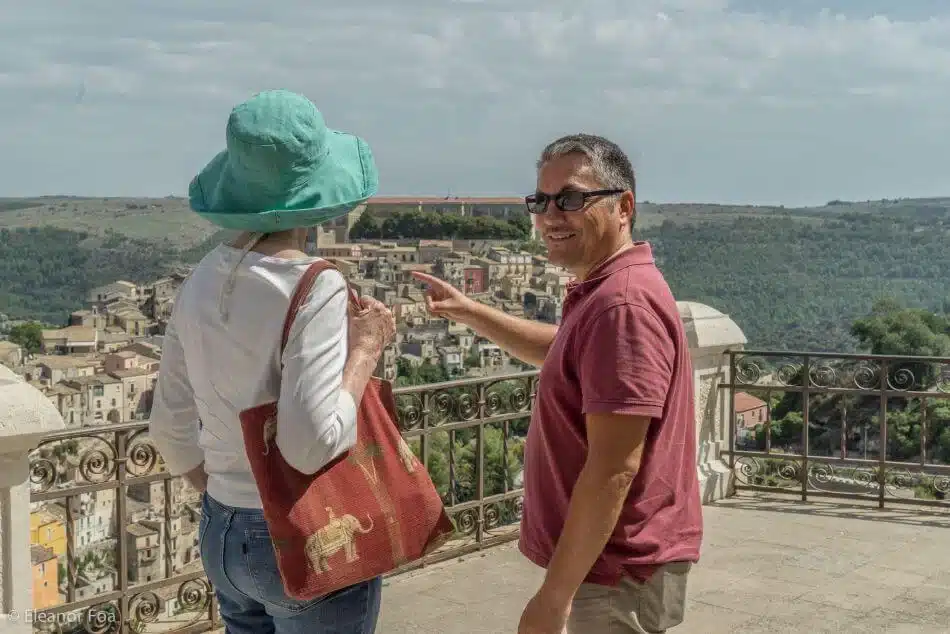

Planning the best UNESCO sites in Sicily? Here are 9 exceptional places to visit for history, beauty, and a more refined Sicilian journey.

Some places in Sicily ask for more than a quick stop and a photo. They reward time, context, and the freedom to move at the right pace. If you are planning around the best UNESCO sites in Sicily, the real question is not simply what to see, but how to experience these places in a way that feels comfortable, informed, and genuinely memorable.
Sicily has several UNESCO World Heritage inscriptions, and many of them include multiple towns or archaeological areas. That means a smart itinerary matters. Some sites are best paired in a single day, while others deserve an unhurried visit with a private guide, a long lunch nearby, or a scenic drive through the countryside in between. For travelers who want depth without logistical stress, UNESCO Sicily is at its best when each stop feels connected to the next.

How to choose the best UNESCO sites in Sicily
The best UNESCO sites in Sicily depend on what draws you in. If your interests lean toward classical archaeology, the island offers some of the Mediterranean’s most powerful ancient landscapes. If you are more interested in architecture and city life, Sicily’s Baroque towns and Arab-Norman monuments reveal centuries of artistic exchange in settings that are still vibrant today.
Distance also matters. Sicily is generous in scale, and while many visitors underestimate drive times, the most rewarding itineraries are rarely the most crowded ones. A well-planned route gives you space to enjoy the site itself, not just arrive there. That is especially true for couples, families, and small private groups who prefer a smooth day with thoughtful pacing over a checklist approach.

1. Valley of the Temples, Agrigento
If you visit only one archaeological UNESCO site in Sicily, this is often the right choice. The Valley of the Temples is one of the most impressive Greek archaeological landscapes anywhere in the world, not only because of its scale, but because the setting still feels open, dramatic, and deeply atmospheric.
The Temple of Concordia is the headline monument, and deservedly so. It is extraordinarily well preserved, especially in the late afternoon light when the stone turns warm and gold. But the site is larger than many expect, so timing and transport matter. A rushed midday visit can feel tiring, while an early morning or sunset approach gives the whole experience more grace.
For many travelers, Agrigento works especially well as part of a broader southern Sicily route, paired with Piazza Armerina or a coastal stop. It is a destination where a private transfer and a well-structured day make a noticeable difference.

2. Villa Romana del Casale, Piazza Armerina
This site offers a different kind of astonishment. Instead of temples and skyline views, Villa Romana del Casale reveals the refined private world of a late Roman elite residence, famous for its vast mosaic floors. The detail is remarkable – hunting scenes, mythological figures, geometric patterns, and the often-photographed “bikini girls” mosaic that still surprises first-time visitors.
What makes this UNESCO site so special is intimacy. You are not imagining a ruined outline. You are looking at decorative programs, movement, taste, and domestic life preserved with unusual richness. It feels personal in a way many ancient sites do not.
This is also one of the easiest UNESCO stops to combine with other inland destinations. Travelers interested in archaeology, history, and quieter parts of the island often find it one of the most rewarding days of their trip.

3. Arab-Norman Palermo and the Cathedral Churches of Cefalu and Monreale
This UNESCO listing is not one monument but a cultural conversation in stone, mosaic, and urban form. It includes several sites in Palermo as well as Monreale and Cefalu, and together they tell the story of a Sicily shaped by Norman, Arab, and Byzantine influences.
For many visitors, Monreale is the emotional high point. Its cathedral interior is extraordinary, filled with luminous mosaics that create a sense of scale and reverence that photographs never quite capture. In Palermo, the Palatine Chapel is equally essential, though more compact, with a level of decorative complexity that rewards close attention.
Cefalu adds another dimension. It is more relaxed, more coastal, and often especially appealing to travelers who want a UNESCO visit that also feels scenic and elegant. The trade-off is practical: seeing Palermo, Monreale, and Cefalu properly takes planning. This is not a casual same-day sweep if you value quality over speed.

4. Late Baroque Towns of the Val di Noto
This is one of Sicily’s most graceful UNESCO experiences because it is spread across a collection of towns rather than confined to a single monument. Noto, Ragusa, Modica, Scicli, and others were rebuilt after the 1693 earthquake, and what emerged was a distinct Sicilian Baroque style – theatrical, honey-colored, and full of movement.
Noto is often the most immediately photogenic, with its broad streets, balanced facades, and warm stone that glows beautifully in the sun. Ragusa Ibla has a different charm. It feels layered and romantic, with stairways, churches, and palaces unfolding across a hillside. Modica brings a stronger sense of everyday life, along with a serious culinary identity that appeals to travelers who want culture and flavor in the same day.
This UNESCO area is ideal for those who enjoy architecture, walking, and refined pacing. Rather than trying to cover every town, it is usually better to choose two or three and experience them well.
5. Syracuse and the Rocky Necropolis of Pantalica
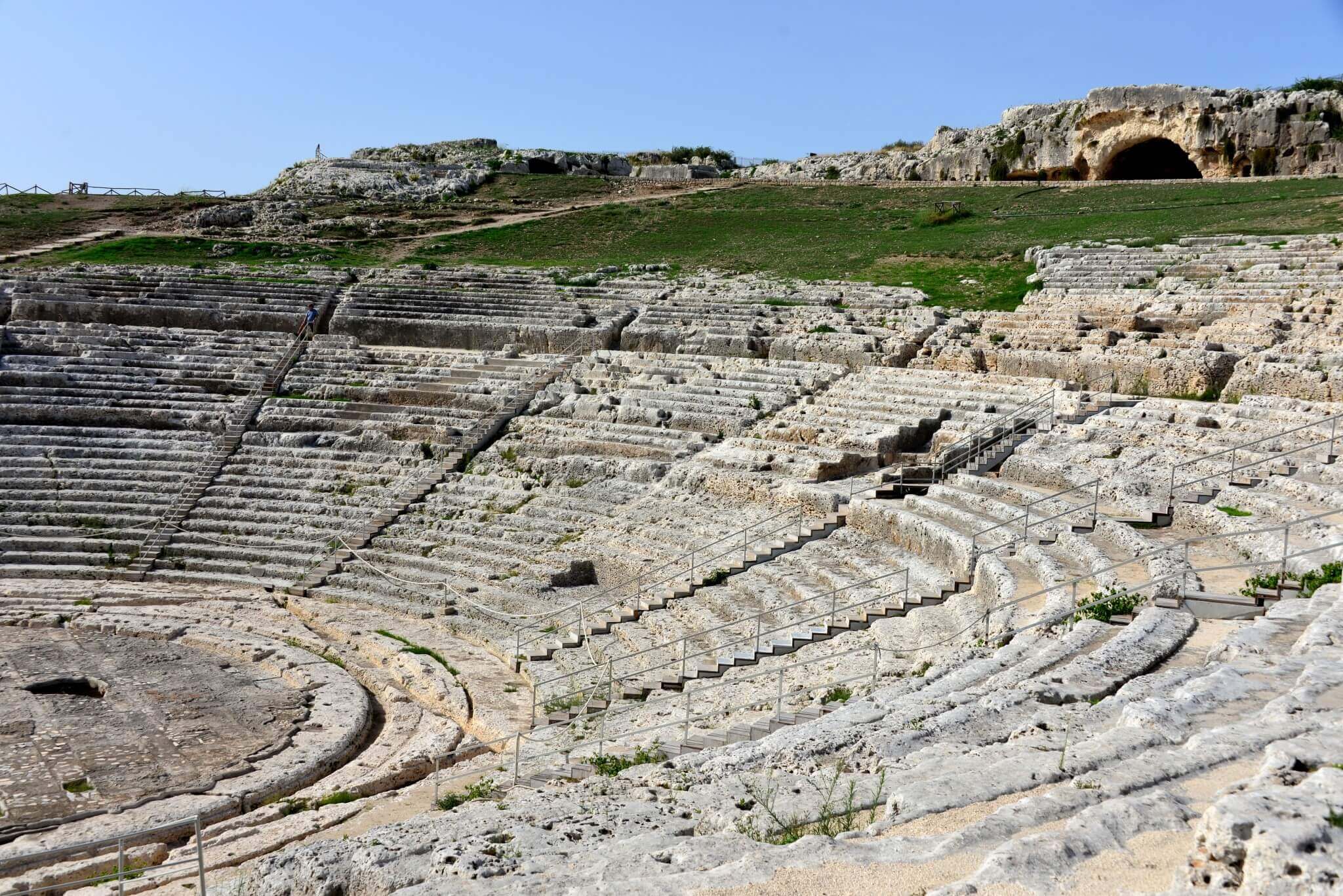
Syracuse offers one of the strongest combinations of urban beauty and ancient heritage in Sicily. The archaeological park presents Greek and Roman remains on a grand scale, while Ortigia brings in the elegance of a historic island center shaped by many civilizations.
The UNESCO designation also includes Pantalica, a very different site inland, where thousands of rock-cut tombs are embedded in a striking natural landscape. Not every traveler will want to pair these two in equal depth. Syracuse is easier to absorb and often feels more immediately accessible, while Pantalica is quieter, more rural, and especially rewarding for visitors who appreciate landscape as much as monumentality.
If your time is limited, Syracuse alone may be the more practical focus. If you have room for a fuller southeastern itinerary, adding Pantalica gives the UNESCO experience more range and texture.
6. Mount Etna
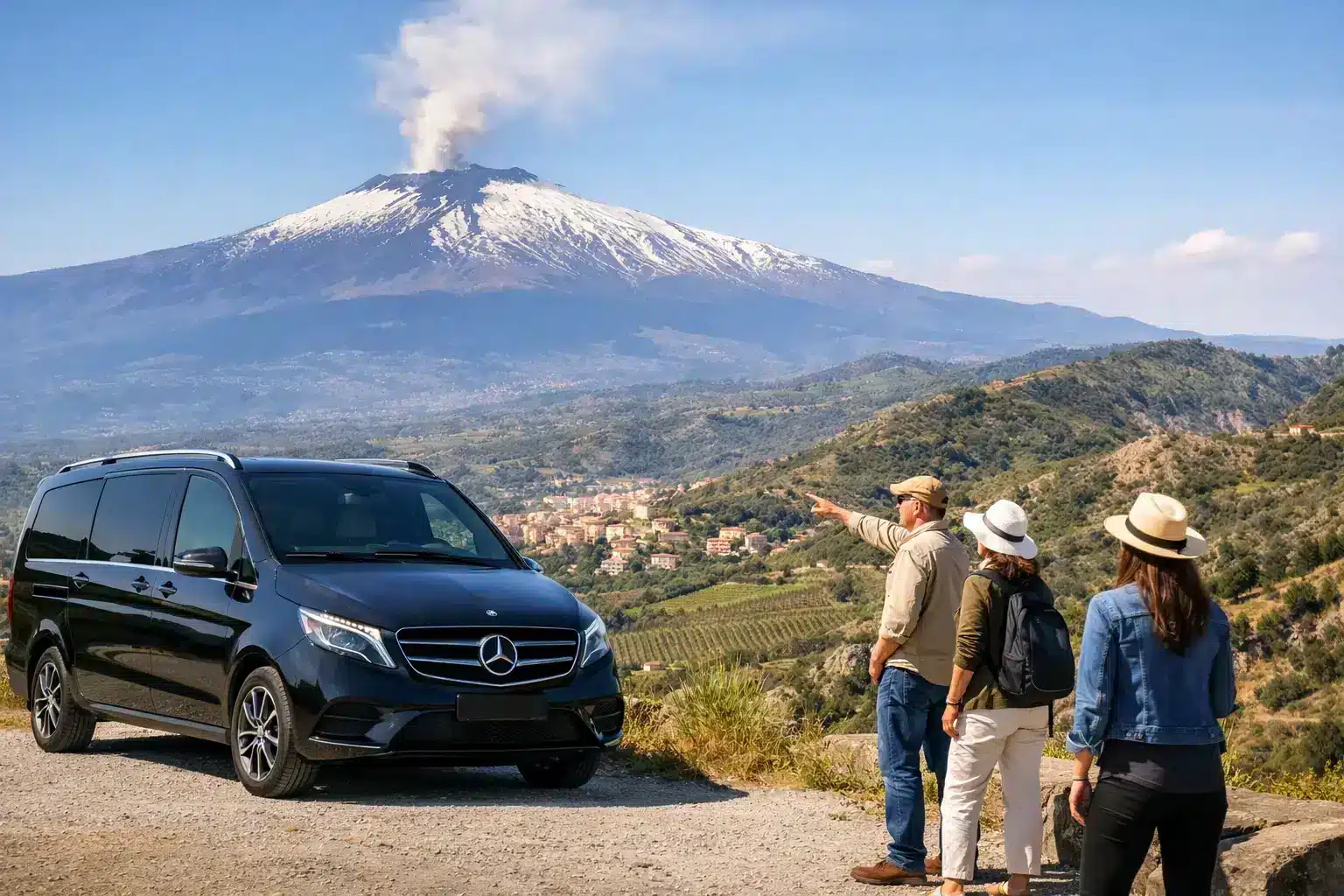
Mount Etna’s UNESCO status recognizes a living natural force rather than a built monument, and that changes the rhythm of the visit. This is not about churches, mosaics, or ruins. It is about volcanic landscapes, altitude, lava fields, and the unusual beauty of terrain still being shaped.
Etna appeals to travelers who want a sense of Sicily beyond cities and archaeology. On clear days, the views are exceptional. In the right season, it can also pair beautifully with wine experiences on the mountain’s slopes, where mineral-rich soils produce some of the island’s most interesting bottles.
Conditions matter here more than at other UNESCO sites. Weather, visibility, and energy level all affect the day. That is why flexibility is useful. Etna is memorable when approached with the right expectations and enough room to adapt.

7. Aeolian Islands
The Aeolian Islands are often overlooked in conversations about UNESCO Sicily, perhaps because they require more commitment than a single land-based stop. Yet for travelers with the time and interest, they offer one of the island region’s most distinctive heritage experiences. Their UNESCO recognition is tied to volcanic processes, but the appeal goes well beyond geology.
Each island has its own atmosphere. Lipari is the most accessible and versatile. Salina feels refined and quieter. Stromboli has the unmistakable drama of active volcanic presence. The right choice depends on whether you want a polished day at sea, a soft-paced island atmosphere, or something more elemental.
For many luxury travelers, the Aeolians make sense as part of a broader curated journey rather than an impulsive add-on. They are worth it, but only when time, season, and logistics align well.

8. Mount Etna, Syracuse, or Agrigento – which is best?
When travelers ask which of the best UNESCO sites in Sicily they should prioritize, the answer usually comes down to personal style. Agrigento is best for iconic ancient grandeur. Syracuse is best for a balanced day that combines archaeology with an elegant historic center. Etna is best for scenery, nature, and a different side of Sicilian identity.
If this is your first trip and you want a classic cultural foundation, Agrigento and Syracuse are often stronger choices than Etna alone. If you have already seen major archaeological sites elsewhere in Italy or Greece, Etna may feel fresher and more distinctive. There is no single correct answer – only the itinerary that fits your pace and interests.

9. Why UNESCO sites in Sicily deserve a private approach
UNESCO recognition tells you a place matters. It does not tell you how to visit it well. In Sicily, that often comes down to pacing, access, and local insight. A cathedral means more when you understand the layers behind it. An archaeological park becomes more comfortable when your day is arranged around the best timing, not the most convenient parking or the busiest hour.
That is why many travelers choose to experience these places with a private driver or curated itinerary. A site like Monreale can be paired smoothly with Palermo. Agrigento can unfold as part of a full southern route. The Val di Noto towns become much more enjoyable when the day includes time for a relaxed lunch, scenic transitions, and no pressure to self-manage every connection.
At Handy Sicily, this is where service becomes part of the travel experience itself – not only getting from one UNESCO site to another, but doing so with comfort, flexibility, and local knowledge that lets the island feel more personal.
Sicily does not ask you to see everything. It asks you to choose well, leave room for wonder, and let each place speak in its own voice.